The first cold snap always seems to arrive before you’re ready. One morning you reach for the thermostat, the heat kicks on, and you’re hoping it runs the way it should. A little preparation now takes the guesswork out of that moment.
For Maryland homeowners, fall is the ideal window to get your heating system ready. Following a simple pre-winter HVAC checklist helps you catch small problems before they turn into a no-heat call on the coldest night of the year.
Below, we walk through everything worth checking before heating season starts, what you can handle yourself, and where a professional makes the difference.
Why Pre-Winter HVAC Prep Matters in Maryland
Maryland winters swing between mild stretches and sharp cold snaps, which means your heating system sits idle for months and then works hard the moment temperatures drop. That first heavy demand is exactly when hidden issues show up, whether it’s a part that expanded and contracted over the off-season or a filter that quietly clogged while the system ran your cooling all summer.
A system that hasn’t been serviced can run less efficiently, cost more to operate, and wear out faster. Regular heating maintenance keeps your equipment running efficiently, protects your manufacturer’s warranty, and helps you avoid surprise breakdowns when you need heat most.
Prepping early also gives you time. If something needs attention, you can schedule it on your terms, not during a mid-winter emergency when demand is highest and repair calls stack up across the region. An hour of planning in September or October is far easier than waiting for the first freeze to find a problem.
Your Pre-Winter HVAC Checklist
Work through these items as the weather cools. Some are simple weekend tasks you can handle yourself; others are best left to a certified technician who can safely inspect the parts you can’t see.
1. Replace or Clean the Air Filter
A clogged filter is the most common cause of poor airflow, uneven heating, and higher energy bills. When air can’t move freely, your furnace works harder to push heat through your home, which wastes energy and strains the system. Check your filter now, replace it if it looks gray or packed with dust, and plan to swap it every one to three months through the season.
2. Schedule a Professional Furnace Tune-Up
This is the single most valuable step on the list. A furnace tune-up covers safety checks, cleaning, and performance testing that keep your system reliable all winter. A technician inspects the parts that affect both efficiency and safety, and catches small wear before it becomes a mid-season breakdown. We cover exactly what a professional visit includes further down.
3. Test Your Thermostat
Turn the heat on before you actually need it. Confirm it reaches the set temperature and holds steady, and listen for the system to cycle on smoothly. If readings feel off, the system short-cycles, or the display looks dim, replace the batteries and note anything unusual for your technician. This is also a good moment to consider whether upgrading to a programmable or smart thermostat would help you save through the season.
4. Check Vents and Registers
Walk through your home and make sure supply and return vents are open and unblocked by furniture, rugs, or curtains. Restricted airflow forces your system to work harder for less comfort and can create cold spots from room to room. Give each vent a quick vacuum to clear the dust that built up over the summer.
5. Inspect Your Ductwork
Leaky or poorly sealed ducts can waste a significant amount of the heat you’re paying for, sometimes as much as a fifth of it before it ever reaches your rooms. If some rooms never feel warm enough, or your bills climb every winter without explanation, professional ductwork design and service can seal those leaks and restore even, efficient heating throughout the house.
6. Clear Around the Outdoor Unit
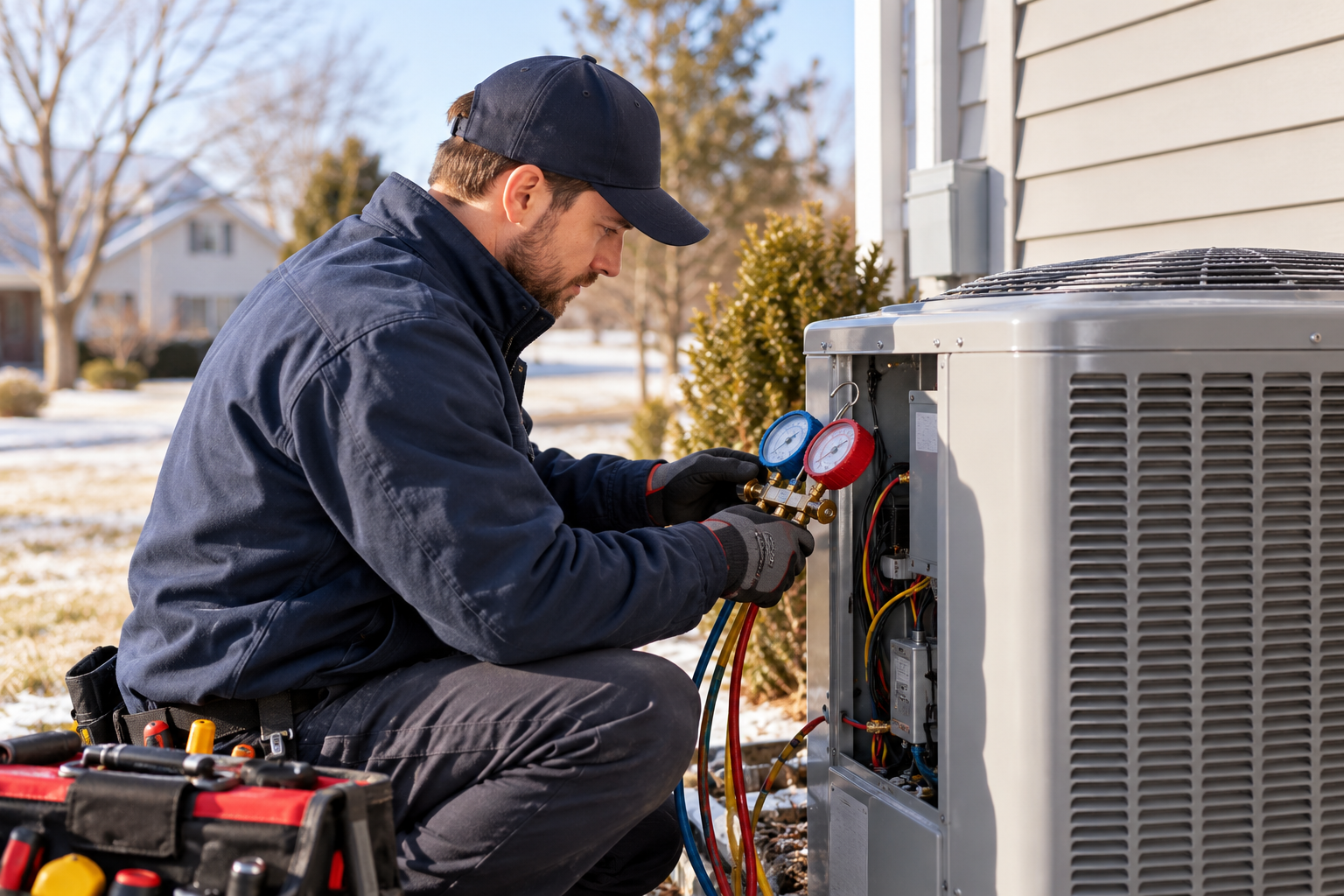
If you rely on a heat pump, keep the outdoor unit free of leaves, debris, and overgrowth, and make sure nothing is stacked against it. Well-maintained heat pumps deliver steady, efficient heating through Maryland’s shoulder seasons, but they need clear airflow to work well. Once snow arrives, gently clear the unit after storms so it can keep pulling in air.
7. Test Carbon Monoxide Detectors
Any home with a gas furnace, boiler, or water heater should have working carbon monoxide detectors on every level. Replace the batteries and test each one before you’re running the heat daily. This small step is one of the most important safety checks on the entire list.
Also Read: Commercial HVAC Maintenance Before Summer: A Guide for Delaware Business Owners. The same seasonal prep principles that keep businesses comfortable and efficient.
Signs Your Heating System Needs Attention Before Winter
Sometimes your system tells you it’s struggling before it fails completely. As you fire up the heat for the first time, watch and listen for these warning signs:
- Uneven heating or cold spots that linger from room to room
- Strange noises like banging, rattling, grinding, or squealing
- A burning or musty smell that lingers well past the first startup
- Short-cycling, where the system turns on and off without reaching temperature
- Weak airflow from the vents even with a clean filter
- Higher heating bills without a clear reason
If you notice any of these, it’s worth having a technician take a look now rather than waiting. Catching a worn part early is almost always simpler and less costly than an emergency repair in January, and it keeps a small issue from leaving you without heat on the coldest night of the year.
Don’t Forget the Rest of Your Home
Winter readiness goes beyond the furnace. A few related checks protect your comfort and your home through the coldest months, and they’re easy to tackle while you’re already thinking about seasonal maintenance.
Your water heater works harder in winter as incoming water gets colder, so it’s a smart time to service your water heater and confirm it’s running efficiently before holiday guests arrive. It’s also worth confirming your electrical system can handle the seasonal load. If you’ve noticed flickering lights or tripping breakers, a quick electrical repair visit can rule out a problem before space heaters and holiday lighting add to the demand.
Don’t overlook your plumbing, either. Insulating exposed pipes in unheated spaces and knowing where your main shutoff is can save you from a frozen-pipe emergency later. Taking care of these items alongside your HVAC prep means fewer surprises once winter settles in.
What Happens If You Skip Pre-Winter Maintenance
It’s tempting to skip a tune-up when your system seems fine, but the risks add up quietly. A neglected furnace runs less efficiently, which shows up as higher energy bills every month of the season. Small problems that a tune-up would have caught, like a dirty burner or a weak igniter, tend to fail at the worst possible time.
Skipping maintenance also shortens the life of your equipment. Heating systems that are serviced every year commonly last years longer than those that aren’t, which means you delay the significant cost of a full replacement. In many cases, staying current on maintenance is also a condition of keeping your manufacturer’s warranty valid. Put simply, an hour of preventative care in the fall protects both your comfort and your wallet all winter long.
When to Call Big Red Services
Some checklist items are simple weekend tasks. Others, like inspecting the heat exchanger, testing safety controls, checking gas connections, or diagnosing airflow issues, call for a certified professional with the right tools. Our technicians serve homeowners across Delaware and Maryland’s Eastern Shore with fast, reliable heating service, and we’ll always explain what your system needs in plain language.
If you’d like to stay ahead of maintenance year-round, our Maintenance Club makes seasonal tune-ups simple with scheduled visits, priority service, and member benefits. Either way, we’ll make sure your system is ready before the cold arrives.
FREQUENTLY
ASKED QUESTIONS
When should I schedule my heating tune-up in Maryland?
Early to mid-fall is ideal, typically September through October. This gives you time to address any repairs before you’re relying on your system daily.
How often should an HVAC system be serviced?
Once a year at minimum. Most systems benefit from a heating tune-up in the fall and a cooling tune-up in the spring to keep both sides running efficiently.
Can I do a pre-winter HVAC check myself?
You can handle basics like filter changes, thermostat tests, and clearing vents. Safety and performance checks, including the heat exchanger inspection, gas connections, and electrical components, should be left to a certified technician.
Don’t wait for the first freeze to find out your heater needs help. Call Big Red at 302-985-5858 or schedule your service today, and we’ll get your system winter-ready with straightforward, expert care.