Spring feels like a fresh start! But for your drains, it can be one of the most stressful times of the year. Slow drains in spring are common, and most cases come down to a few fixable causes.
If you live in Delaware, you already know how unpredictable March and April can get. Between the thawing ground, heavy rain, and trees waking back up, your household plumbing system takes on a lot at once.
However, most spring plumbing problems are manageable when you catch them early.
Why Do Drains Slow Down in Spring?
Drains slow down in Spring because thawing soil shifts pipes, tree roots grow into sewer lines, and heavy rain pushes debris into your drainage system all at once.
That combination hits harder than most people expect. Your pipes spent months dealing with cold temperatures and indoor buildup from cooking and bathing. Then spring arrives and adds outside pressure on top of that. The result is sluggish water flow, odd sounds, and sometimes a smell that tells you something is off deeper in the line.
What Causes Spring Plumbing Problems in Delaware Homes?
Does the Ground Shifting Really Affect Your Pipes?
Yes. When frozen soil thaws unevenly, it puts pressure on underground pipes and can cause small sags or cracks where debris collects.
Delaware’s soil, especially in coastal counties like New Castle and Sussex, shifts more than you might think. Sandy soil near the coast moves easily. Clay-heavy soil in older neighborhoods can squeeze pipes as it contracts and expands.
Once a pipe develops even a slight dip, grease, soap scum, and hair start to pile up in that low spot — and that is how a pipe blockage begins.
How Do Tree Roots Get Into Pipes?
Tree roots follow moisture. In spring, they grow fast and find their way into small cracks in older sewer lines, especially in homes built before 1980.
Neighborhoods in Wilmington and Newark have plenty of mature trees, which means the roots run deep and wide. Older clay and cast-iron pipes are particularly vulnerable because their joints loosen over time.
Once roots get inside, they grab onto passing debris and grow into a blockage that a plunger simply cannot fix. This is one of the more serious sewer line issues homeowners face in spring.
Does Spring Rain Make Drains Worse?
Heavy spring rain flushes leaves, pollen, and dirt into your drainage system, adding to whatever buildup already exists from winter.
Delaware gets its share of nor’easters and Atlantic storms in spring. That rain has to go somewhere, and a lot of it finds its way toward your drains — both indoor and outdoor. If your outdoor drains are already partially blocked, water will back up into lower areas of your yard or even your basement. Combined sewer systems in urban areas like Dover can also experience overflow during heavy rain, which puts extra strain on your home’s connection to the main line.
What Role Does Everyday Household Use Play?
Spring cleaning, more cooking, and post-winter routines all push more grease, soap, and food waste into your pipes than usual.
It adds up quickly. You are running more hot water, cooking more meals at home, and maybe doing more laundry. Each of those activities sends something into your drainage system. Grease coats the inside of pipes.
Soap residue sticks to that grease. Hair from post-winter shedding clogs shower and tub drains. Over time, pipe corrosion in older galvanized lines makes this worse because rough interior surfaces catch debris more easily.
Also Read: Emergency Plumbing & Heating Issues in Stormy / Cold Weather — What to Do
How Can You Fix a Slow Drain at Home?
Start with hot water. Run the hottest tap water you have for about a minute to loosen grease. Follow it with half a cup of baking soda and a cup of vinegar, let it sit for 15 minutes, then flush again with hot water.
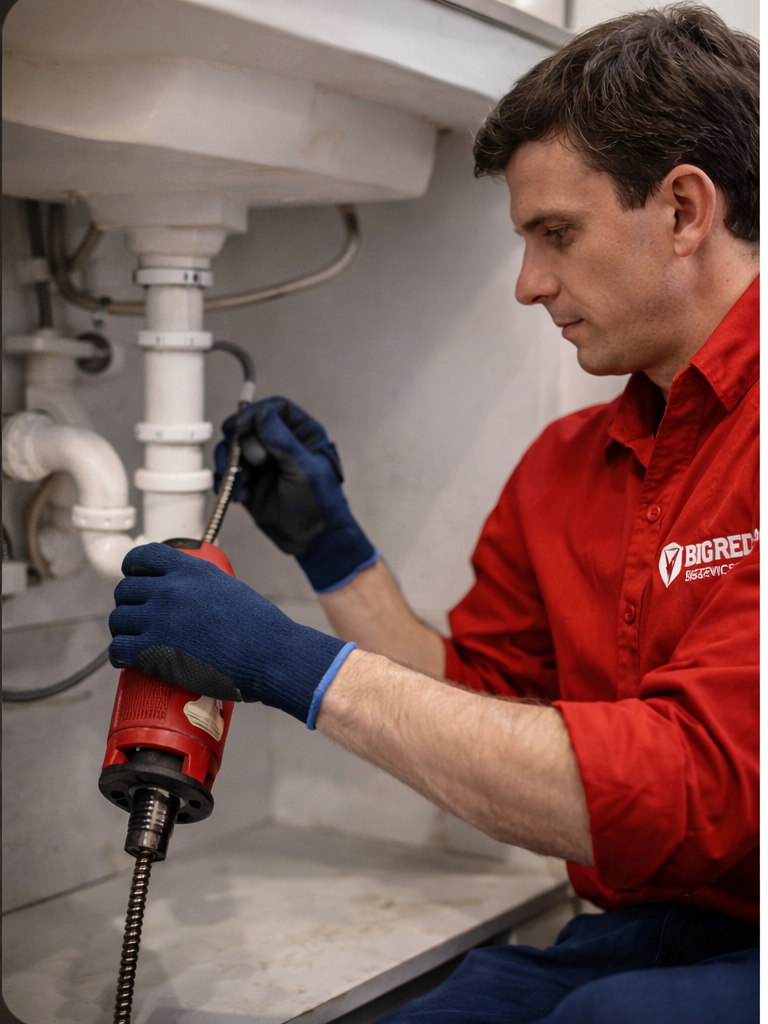
For hair clogs in the shower, a zip-it tool or a basic drain snake handles most blockages without any chemicals. Avoid chemical drain cleaners if your home has older pipes — they can speed up pipe corrosion and cause more damage than the clog itself.
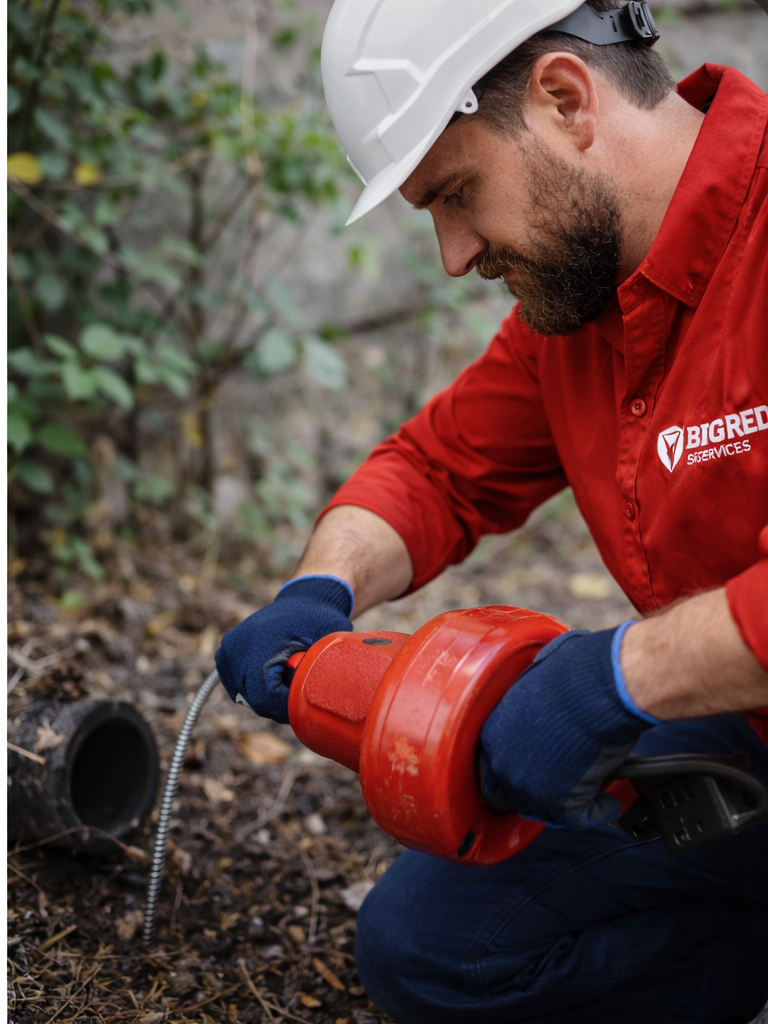
For outdoor drains, flush them with a garden hose before a storm and clear any leaves or debris sitting on top of the grate. A little prevention goes a long way for drainage efficiency.
How Do You Prevent Spring Drain Problems?
What Simple Habits Help the Most?
Keep grease out of the sink, use drain screens in showers and tubs, and run water in every fixture at least once a month to catch slow drains early.
Those three habits alone cut down the majority of common spring plumbing problems. Scrape plates into the trash before rinsing them. Never pour cooled cooking fat down the drain. A mesh screen in your shower costs a few dollars and catches the hair that would otherwise build up in the trap below.
Should You Treat for Tree Roots?
If you have large trees near your sewer line, a root treatment every year or two can prevent a costly blockage. A licensed plumber can apply a foaming root killer through your cleanout that is safe for Delaware’s groundwater regulations.
This is worth doing if you have had root problems before or if your home is older and sits on a lot with mature trees. Catching root intrusion before it becomes a full sewer line blockage saves you both time and money.
When Should You Call a Plumber?
Call a plumber when multiple drains are slow at the same time, when you hear gurgling from the toilet, or when you smell sewage. These signs point to a deeper issue in your main line.
A camera inspection — typically $150 to $300 — lets a plumber look directly inside your pipes and find the exact problem without digging up your yard. If roots or a collapsed section are the cause, trenchless pipe lining can fix it from the inside.
Hydro-jetting is another option that clears heavy buildup using high-pressure water and can restore your drainage efficiency without chemicals.
The best time to book a spring inspection in Delaware is in March, before the peak rain season hits in May.
Also Read: Is Your Home Ready for Summer Storms? Plumbing & HVAC Prep Tips
Conclusion
Spring drain slowdowns are common, but they are not something to ignore. Soil movement, tree root growth, heavy rain, and everyday household use all put pressure on your household plumbing system at the same time. Most minor issues — grease buildup, hair clogs, debris in outdoor drains — respond well to simple home fixes.But if your slow drain keeps coming back, or if more than one fixture is affected, that is your signal to get a professional involved. Early attention to spring plumbing problems prevents the kind of backup that turns a manageable situation into a much bigger repair.