
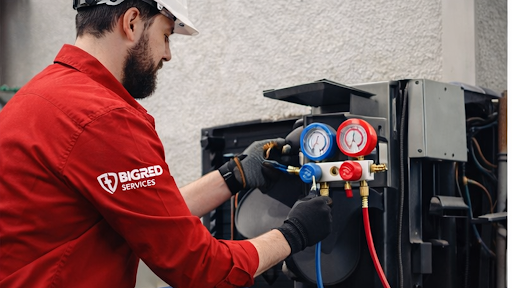
A heat pump does both heating and cooling in one unit. Central air only cools. For most Delaware homeowners in 2026, a heat pump is the smarter long-term choice.
Now let’s break down why, and when central air still makes sense.
What Is the Difference Between a Heat Pump and Central Air?
A central air cooling system removes heat from inside your home and pushes it outside. That’s it. Come winter, you need a separate furnace or boiler to stay warm.
An air source heat pump system works differently. It moves heat in both directions — out in summer, in during winter. One unit handles your entire home’s comfort year-round. No furnace needed in most cases.
That single difference changes everything about cost, efficiency, and convenience.
Is a Heat Pump Better Than Central Air for Delaware Homes?
For most Delaware homeowners, yes. Here’s why Delaware’s climate makes heat pumps a natural fit.
Delaware summers hit 85–90°F. Winters stay mild, with average lows around 25–35°F. Heat pumps work best in exactly this kind of climate — moderate cold, humid summers. They rarely need backup heating here, unlike homes in Minnesota or Maine.
Below 20°F, heat pumps become less efficient and electric backup strips kick in. But in Delaware, that threshold is rarely crossed. Most homes go through entire winters without needing backup heat at all.
Heat Pump Installation Cost vs. Central AC Unit Cost
This is where most homeowners pause. Heat pumps cost more upfront. But the full picture looks different.
Heat pump installation in Delaware typically runs $6,000–$16,000 installed, depending on home size and system type. Central air conditioning installation costs $4,000–$10,000 for cooling only — but add $3,000 or more for a furnace if you need heat, and that gap closes fast.
Here’s a simple side-by-side:
| Heat Pump | Central Air + Furnace | |
| Installation | $6,000–$16,000 | $7,000–$13,000+ |
| Annual Energy Cost | $800–$1,200 | $1,200–$1,800 |
| Federal Tax Credit (2026) | Up to $2,000 | Little to none |
| Delaware Rebates | Up to $1,500 | Minimal |
Heat pump installation in Delaware gets a serious boost from 2026 incentives. The federal Inflation Reduction Act offers a 30% tax credit up to $2,000 for qualifying heat pumps. Delmarva Power adds rebates up to $1,500 on top of that. That can knock $3,500+ off your heat pump installation cost — making it far more competitive than the sticker price suggests.
Payback typically lands between 3–7 years, depending on your current energy use.
Also Read: Is Your Heating System Overworking? Warning Signs Homeowners Ignore
What About Central Air Conditioning Maintenance vs. Heat Pump Upkeep?
Central air conditioning maintenance costs run slightly lower — around $150–$300 per year — because central AC units only run seasonally. Heat pumps run year-round, so annual tune-ups average $200–$400.
Both systems benefit from the same basics: clean filters monthly (aim for MERV 13 or higher), get a professional inspection once a year, and keep the outdoor unit clear of debris.
Heat pumps have one extra item on the checklist — defrost controls and auxiliary heat strips should be inspected before winter. A NATE-certified technician can handle this during a standard tune-up.
For central AC, furnace burner cleaning gets added to the fall maintenance visit. It’s not complicated, but it does mean scheduling two systems instead of one.
Which System Lasts Longer?
Central air conditioning systems last 15–25 years because they only run part of the year. Heat pumps, running in both seasons, typically last 12–18 years with proper maintenance.
That lifespan difference is worth considering when calculating the total cost of ownership. A heat pump saves money on energy bills but may need replacement a few years sooner. Over a 20-year window, the energy savings usually still come out ahead — especially as electricity rates rise and natural gas becomes less predictable.
Heat Pump vs. Central Air: What About Older Delaware Homes?
Older homes in Wilmington, Dover, or Newark often have ductwork already in place — which works fine for either system. If your home has no ducts, a ductless mini-split heat pump (like Fujitsu Halcyon or Mitsubishi models) skips the duct installation entirely and can save $5,000 or more.
Coastal properties near Rehoboth Beach should look for corrosion-resistant models built for salt air exposure. Your installer should know to ask about location before recommending equipment.
For sizing, a licensed contractor should always run an ACCA Manual J calculation. A rough rule of thumb is 1.5–2 tons of capacity per 1,000 square feet, but insulation, windows, and layout all factor in.
Also Read: Winter Heating Challenges for Rental Homes in Delaware
Heat Pump vs. Central Air — Which Should You Choose?
Choose a heat pump if you’re replacing your full HVAC system, building new, or want to lower long-term energy costs. Choose central air if you already have a working furnace and only need cooling.
That’s the honest answer. Most Delaware homeowners replacing aging equipment in 2026 will find a heat pump delivers more value — lower bills, one system to maintain, and strong incentives that reduce upfront cost.
If your furnace still has years of life left, a central air conditioning installation for cooling now and a heat pump later is a reasonable path too.
Conclusion
Get at least two quotes from NATE-certified HVAC contractors. Ask them to run a Manual J load calculation — not just an estimate based on square footage. Check your eligibility for the federal IRA tax credit at energy.gov and look up current Delmarva Power rebates before signing anything.
The right system depends on your home, your budget, and your timeline. But in Delaware’s climate, a heat pump is the right call for most people making a full system change in 2026.