Why Is My Heater Blowing Cold Air? 6 Causes and Fixes
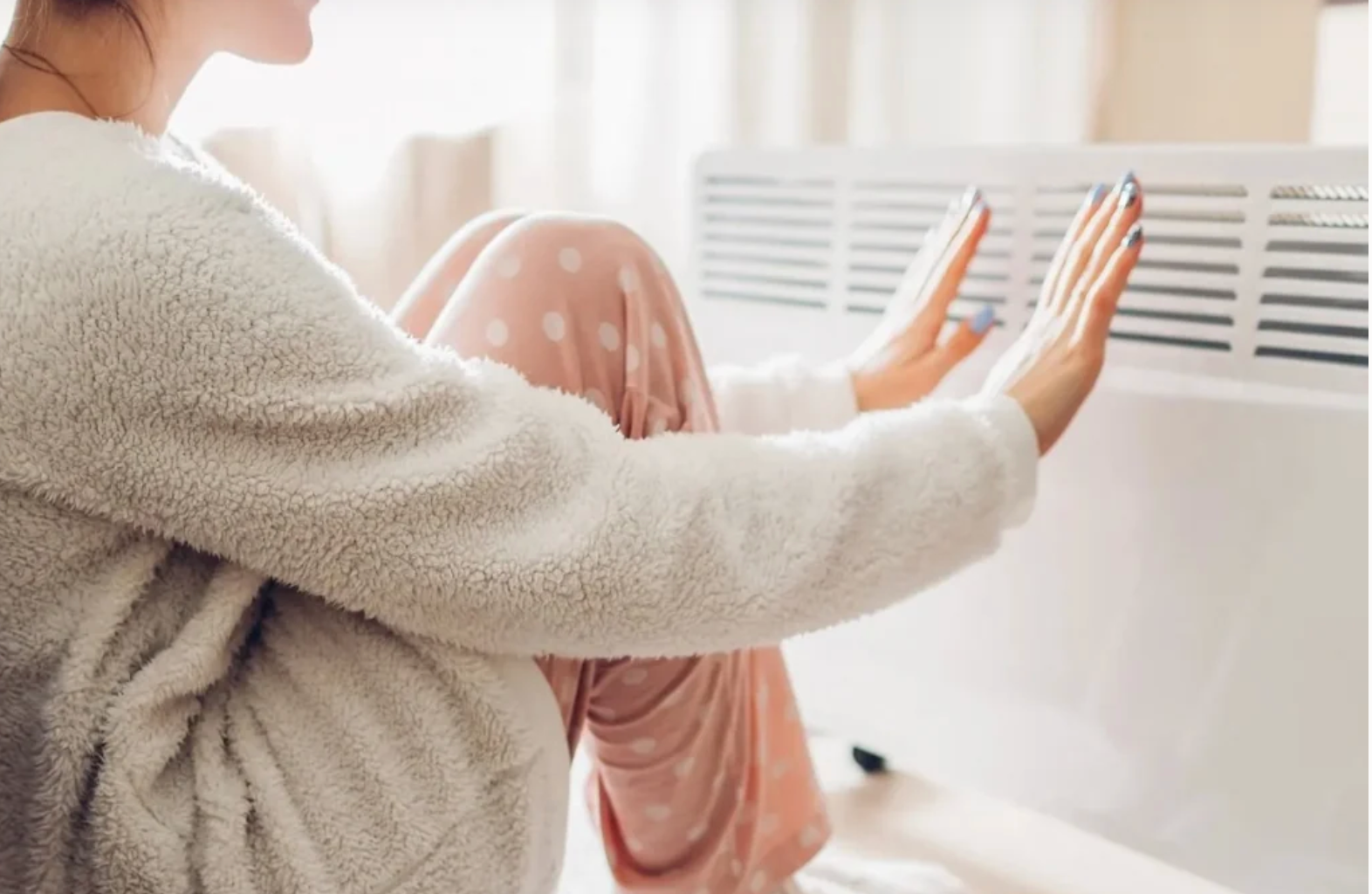
Few things are more frustrating on a cold Delaware or Maryland morning than turning up the thermostat and feeling cold air pour out of the vents. Your heater is running; you can hear it, but the house isn’t getting any warmer.
Take a breath. A heater blowing cold air is one of the most common heating complaints we hear, and in many cases, the cause is something simple you can check yourself in a few minutes.
Here are the six most common reasons your heater is blowing cold air, what you can safely fix on your own, and when it’s time to bring in a professional.
1. Your Thermostat Is Set to “On” Instead of “Auto”
Start with the easiest fix of all. Your thermostat’s fan setting has two options: Auto and On.
Set to Auto, the blower only runs when your system is actively producing heat. Set to On, the blower runs constantly, including between heating cycles, when it’s simply circulating room-temperature air. That air feels cold coming out of a vent, even though nothing is wrong.
The fix: Switch the fan setting to Auto. While you’re there, confirm the thermostat is set to Heat mode and the target temperature is above the current room temperature. It sounds obvious, but a bumped switch solves this call more often than you’d think.
2. A Clogged Air Filter Is Overheating Your Furnace
A dirty filter doesn’t just reduce airflow, it can make your heater blow cold air on purpose. When a clogged filter starves the furnace of air, the internal temperature climbs too high. A safety device called a limit switch then shuts off the burners to prevent overheating, while the blower keeps running to cool things down. Result: cold air from your vents.
The fix: Check your filter and replace it if it’s gray and clogged. Then give the system time to cycle normally. If the furnace has been overheating repeatedly, it may have locked itself out and a technician should verify that no components were damaged.
During the heating season, check your filter monthly. It’s the single best habit for avoiding this problem.
3. The Pilot Light or Ignition System Has Failed
If you have a gas furnace and the air never warms up at all, the burners may simply not be lighting.
Older furnaces use a standing pilot light that can be blown out by a draft or fail due to a faulty thermocouple, the safety sensor that confirms the flame is lit. Newer furnaces use electronic ignition, which can also fail or become dirty over time.
The fix: If your furnace has a pilot light, you can try relighting it following the instructions on the unit’s panel. If it won’t stay lit, or if your furnace uses electronic ignition, stop there — these components involve gas and safety controls, and diagnosing them is a job for a licensed technician. Our heater repair team handles ignition problems across Delaware and Maryland’s Eastern Shore, often same-day.
4. A Dirty Flame Sensor Is Shutting the Burners Down
Here’s a pattern worth recognizing: your furnace starts, blows warm air briefly, then goes cold and repeats this cycle over and over.
That’s the classic sign of a dirty flame sensor. This small rod confirms that the burners have actually ignited. When it’s coated in residue, it can’t detect the flame, so it shuts off the gas as a safety measure, a few seconds after startup. The blower keeps running, pushing increasingly cold air.
The fix: This one’s quick for a professional; the sensor is cleaned or replaced during a standard service visit. It’s also exactly the kind of problem an annual furnace tune-up catches before it leaves you cold in January.
Also Read: AC Running But Not Cooling? 5 Common Reasons Your Air Conditioner Isn’t Working Properly
5. Leaky Ductwork Is Losing Your Heat
Sometimes the furnace is doing its job perfectly, but the heat never makes it to your rooms. If your ducts run through a cold attic or crawl space and have gaps or disconnected sections, warm air leaks out along the way while cold air gets pulled in.
The telltale signs: some rooms are warm while others stay cold, airflow from certain vents feels weak, and your energy bills are higher than they should be.
The fix: Duct leaks need to be located and sealed professionally. It’s a repair that pays for itself in comfort and lower bills, since you stop paying to heat your attic.
6. Your Heat Pump Is in Defrost Mode (or Low on Refrigerant)
If your home is heated by a heat pump, occasional cool air is actually normal. In cold, damp weather, frost builds on the outdoor unit, and the system briefly reverses into defrost mode to melt it. During those few minutes, the air from your vents feels cool. That’s the system working as designed.
But if your heat pump blows lukewarm or cold air constantly, something’s wrong, commonly low refrigerant, a failed reversing valve, or an outdoor unit that’s iced over completely.
The fix: Persistent cold air or a visibly ice-covered outdoor unit calls for professional service. Refrigerant and reversing valve repairs require certified technicians, and our heat pump service team diagnoses these issues quickly.
When to Call Big Red Services
If you’ve checked the thermostat and the filter and your heater is still blowing cold air, or if the problem involves gas components, refrigerant, or repeated shutdowns, it’s time for a professional. Our certified technicians provide fast, honest heater repair throughout Delaware and Maryland’s Eastern Shore, with 24-hour response when you’re stuck without heat. And if you’d rather never face a no-heat morning at all, seasonal heating maintenance catches most of these problems before winter puts them to the test.
Have any Questions?
Call us Today!
(302) 985-5858
FREQUENTLY
ASKED QUESTIONS
Why is my heater running but not heating?
The most common causes are a thermostat fan set to “On,” a clogged filter triggering the overheat safety, or a dirty flame sensor shutting the burners down. Check the thermostat and filter first — if the problem continues, call a technician.
Is it safe to keep running a furnace that blows cold air?
It won’t usually cause immediate danger, but repeated overheating or ignition failures can damage components over time. If the furnace cycles on and off rapidly or you smell gas, shut it off and call a professional right away.
How often should my heating system be serviced?
Once a year, ideally in early fall before the first cold snap. An annual tune-up cleans key components like the flame sensor, verifies safe operation, and catches small problems before they become no-heat emergencies.