
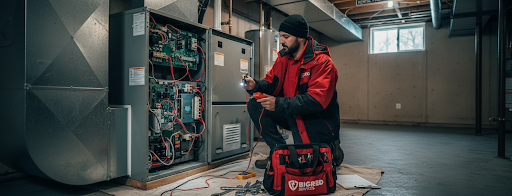
If you’ve ever woken up shivering in your Delaware rental home while the thermostat reads 50°F, you already know how real winter heating challenges can be. Delaware winters are quite mild, but their temperatures regularly dip below freezing from December through February.
And when your heating system decides to give up during a cold snap, things can go south fast.
Whether you’re a tenant trying to stay warm or a landlord managing a property, understanding the most common heating problems Delaware renters face can save you time, money, and a whole lot of stress.
Why Rental Homes in Delaware Struggle So Much With Heat
Rental properties — especially older ones built before the 1980s — tend to carry more heating baggage than newer homes. Thin walls, poorly sealed windows, uninsulated attics, and outdated equipment all add up to one miserable winter experience. A lot of Delaware’s rental stock, particularly in cities like Wilmington and Dover, was built decades ago when energy efficiency wasn’t exactly top of mind.
When frigid air rolls in, these older systems get pushed to their limits. The result? A wave of heating system issues that affects thousands of renters every single season. Common culprits include clogged furnace filters, failing blower motors, pilot light outages, and air locks in radiator systems.
Pipes freeze and burst, sometimes knocking out HVAC controls altogether. And in multi-unit buildings, a single failing boiler can leave an entire floor of tenants out in the cold.
The Most Common Winter Heating Problems Delaware Renters Face
Furnaces and boilers take the hardest hit. Running non-stop through freezing nights causes serious wear and tear, and without proper winter heating maintenance, even a newer system can break down unexpectedly. Dirty filters restrict airflow, overheating the system and causing it to shut off. Cracked heat exchangers are a more serious issue that can leak carbon monoxide — a genuine safety hazard that demands immediate attention.
Poor insulation is another major problem. Older rentals can lose anywhere from 20 to 30 percent of their heat through gaps in walls, attics, and around windows. You could have a perfectly functioning furnace and still feel drafts because the building itself is leaking warm air like a sieve.
Electrical issues compound things further. When tenants turn to space heaters to compensate for inadequate central heating, the added draw on aging electrical systems can trip breakers or, in worst cases, start fires. This is especially risky in century-old buildings that were never wired for modern electrical loads.
Single-zone heating systems — which are common in subdivided older homes — struggle to distribute heat evenly. One floor might be too warm while another stays freezing, which makes everyone uncomfortable and puts extra strain on the equipment.
Also Read: How A Thermostat Problem Can Lead to Higher Heating Bills
What Delaware Law Says About Heating in Rentals
In Delaware, heating is legally considered an essential service, and landlords are required to ensure that rental properties remain safe and livable during the winter months.
Under the Delaware Residential Landlord-Tenant Code (Title 25, Chapter 53), landlords must maintain heating systems in good working condition and supply adequate heat to keep the property habitable. This applies to all rental properties where the landlord is responsible for providing heating equipment.
Landlord Responsibilities When Heating Systems Fail
If a heating system stops working, Delaware law requires landlords to act promptly after receiving written notice from the tenant. The law specifies that landlords must restore essential services — including heat — within a reasonable timeframe, especially during cold weather conditions.
What qualifies as a reasonable timeframe depends on factors such as:
- Outdoor temperatures
- Severity of the heating failure
- Availability of repair services
- Safety risks to tenants
Tenant Rights if Heat Is Not Restored
If a landlord does not restore heat within a reasonable time after being notified, Delaware law allows tenants to pursue several legal remedies.
These may include:
- Recovering damages related to the loss of heating
- Obtaining reasonable substitute housing and seeking reimbursement
- Terminating the lease if the issue remains unresolved
- Seeking assistance from local housing or legal authorities
These protections are designed to ensure tenants have access to safe and livable housing during winter.
Local Code Enforcement and Housing Standards
In addition to state law, local municipalities and counties enforce housing codes that require heating systems to function properly. Code enforcement officers may inspect rental properties and require landlords to complete necessary repairs if heating systems are not working.
Local housing enforcement helps ensure properties meet minimum habitability standards and remain safe for occupants.
Also Read: What to Do If Pipes Freeze During a December Cold Snap
Conclusion
Winter heating challenges for rental homes in Delaware are real, but they’re manageable when both tenants and landlords know their rights and responsibilities. Tenants deserve warm, safe homes — and landlords who stay proactive with maintenance, address heating problems Delaware winters tend to expose, and respond quickly to repair requests protect themselves legally while building better relationships with the people who live in their properties.
If you’re a tenant dealing with a cold rental right now, don’t wait it out in silence. Document the problem, notify your landlord in writing. And if you’re a landlord, think of winter heating maintenance not as an expense, but as an investment in your property, your tenants, and your peace of mind.
Heating system failures can happen unexpectedly, especially during periods of heavy winter use. Working with a licensed and experienced HVAC provider ensures repairs are completed quickly and correctly.
We provide professional furnace repair, heat pump repair, and winter HVAC maintenance throughout Delaware. Give us a call to schedule a service.