
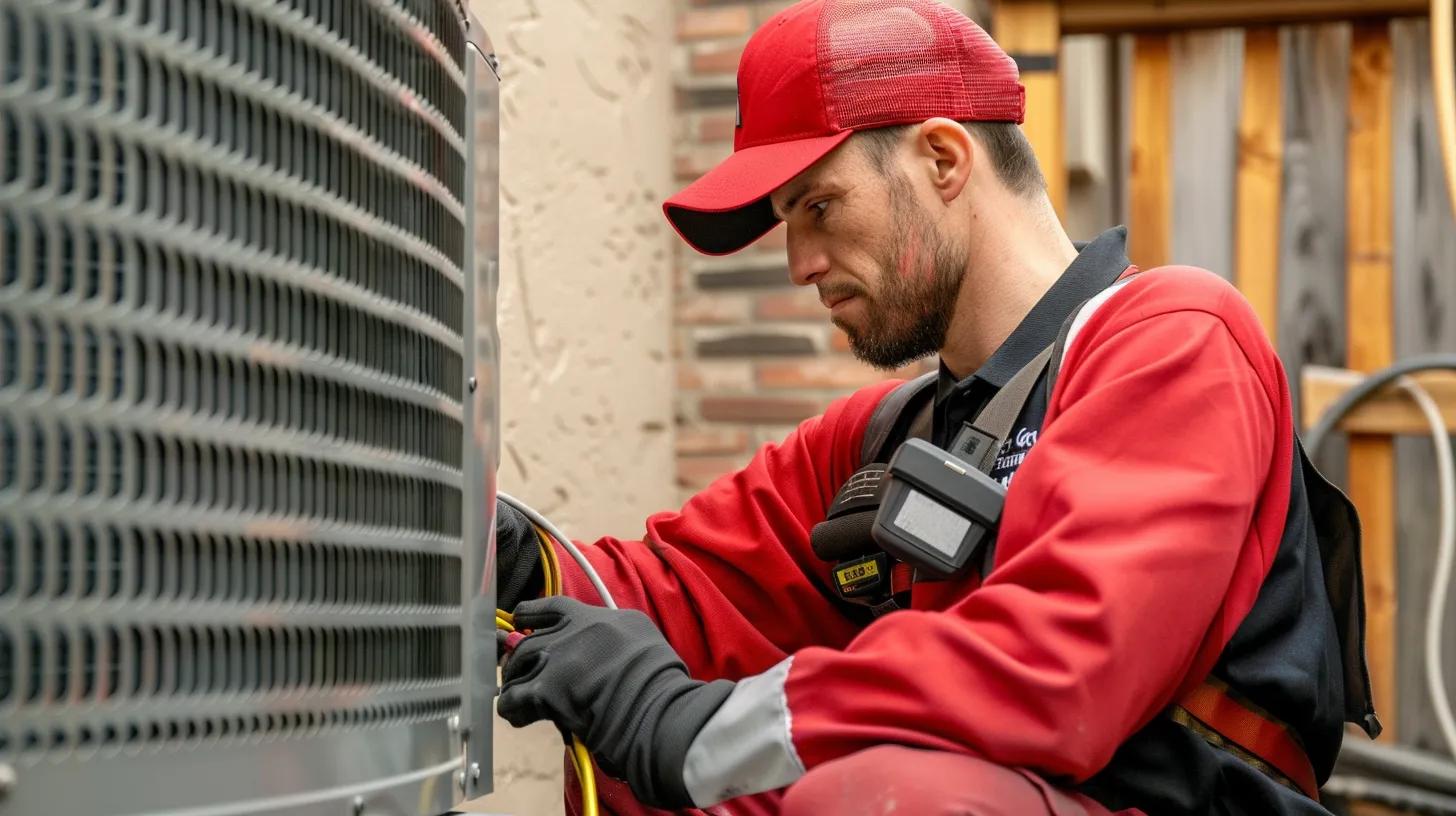
Energy bills keep climbing, but your paycheck probably isn’t keeping pace. The good news? Improving your home energy efficiency doesn’t require expensive renovations or a degree in environmental science. These practical energy saving ideas work in real homes for real people, and most cost little to nothing to implement. Let’s dive into energy efficiency tips that actually make a difference on your monthly bills.
Why Home Energy Efficiency Matters More Than Ever
Your home constantly uses energy, even when you think everything’s turned off. Between heating and cooling, appliances, lighting, and electronics, the average household spends over $2,000 annually on energy. That’s money you could be saving with a few smart changes.
Better home energy efficiency also means a more comfortable living space. Homes that retain heat in winter and stay cool in summer feel better year-round. Plus, you’re reducing your environmental footprint without sacrificing comfort. These simple energy-saving tips create a win-win situation for your wallet and the planet.
Start With Your Thermostat
Your thermostat controls your home’s single largest energy expense. Making smart adjustments here delivers the most dramatic savings of all home energy saving tips.
Program Your Temperature Settings
The U.S. Department of Energy (DOE) suggest to set your thermostat to 68°F during winter days when you’re home. Later, you can lower it to 58-62°F at night or when you’re away. In summer, aim for 78°F when you’re home and higher when you’re gone. Each degree of adjustment saves about 3% on heating and cooling costs.
A programmable thermostat automates these changes, so you don’t have to remember. Smart thermostats take it further by learning your schedule and adjusting automatically. Many utility companies offer rebates on these devices, making them even more affordable. This is easily one of the most effective energy saving tips for homeowners looking for immediate results.
Use Zoning to Your Advantage
Stop heating or cooling rooms you’re not using. Close vents in guest bedrooms, storage areas, and other rarely occupied spaces. Shut doors to these rooms to prevent conditioned air from wasting energy where nobody benefits from it.
Just don’t close more than 20% of your vents, as this can strain your HVAC system. This simple energy saving tip works year-round and requires zero investment beyond a few seconds of your time.
Also read: How To Extend The Life Of Your Furnace With Seasonal Maintenance
Lighting Changes That Brighten Your Savings
According to the U.S. Energy Information Administration (EIA), lighting accounts for roughly 10% of your home’s energy use. Switching to energy-efficient options is one of the easiest home energy saving tips you’ll find.
Make the Switch to LED Bulbs
LED bulbs use 75% less energy than traditional incandescent bulbs and last 25 times longer. Yes, they cost more upfront, but they pay for themselves within months through lower electricity bills and reduced replacement costs.
Replace your most used bulbs first : kitchen lights, living room lamps, and bathroom fixtures. These run the most hours and deliver the fastest savings. As other bulbs burn out, swap them for LEDs too. Within a year or two, you’ll have transformed your home’s lighting efficiency without a massive upfront expense.
Remember To Turn The Lights Off
This seems obvious, but it’s one of those energy efficiency tips people forget. Get in the habit of turning off lights when you leave a room. Install motion sensors in hallways, bathrooms, and other spaces where people forget to flip switches.
Use timers for outdoor lights and decorative lighting. There’s no reason for your porch light to run all day or your holiday decorations to glow when everyone’s asleep. These small habits compound into significant savings over time.
Appliance Energy Efficiency Tips for Daily Use
Your appliances work hard, but they don’t need to work wastefully. These energy saving ideas help you use appliances more efficiently without changing your lifestyle.
Master the Art of Full Loads
Run your dishwasher and washing machine only with full loads. These appliances use roughly the same amount of water and energy whether they’re half-full or completely full. Waiting until you have a full load means running them less often, which directly translates to lower bills.
Skip the heated dry cycle on your dishwasher—crack the door open instead and let dishes air dry. Wash clothes in cold water whenever possible, as heating water accounts for about 90% of the energy your washing machine uses.
Unplug Energy Vampires
Electronics and appliances draw power even when turned off—this “phantom load” costs the average household $100-200 annually. Unplug phone chargers, coffee makers, toasters, and other small appliances when not in use.
Use power strips for entertainment centers and home office setups. Turn off the entire strip when you’re done, cutting power to everything at once. Smart power strips automatically cut power to devices in standby mode, making this energy saving tip even easier.
Maintain Your Refrigerator
Your refrigerator runs 24/7, making it one of your home’s biggest energy users. Keep the temperature between 37-40°F and your freezer at 0-5°F—any colder wastes energy without improving food preservation.
Clean the coils behind or beneath your refrigerator twice a year. Dust buildup forces the compressor to work harder, using more energy. Check door seals by closing the door on a dollar bill—if you can pull it out easily, the seal needs to be replaced.
Energy Saving Tips for Winter That Keep You Warm
Cold weather challenges your home energy efficiency, but these strategies help you stay comfortable without breaking the bank.
Seal Air Leaks Immediately
Air leaks around windows, doors, and other openings let expensive heated air escape. Run your hand around window frames, door jambs, and baseboards on a cold, windy day. Feel a draft? You’ve found a leak.
Seal small gaps with caulk and larger ones with expanding foam. Add weatherstripping around doors and windows. These materials cost just a few dollars at any hardware store but can reduce heating costs by a good amount. This is one of the most cost effective home energy saving tips available.
Use Window Treatments Strategically
Open curtains on south facing windows during sunny winter days to let free solar heat warm your home. Close all curtains at night to add an insulating layer between your living space and cold windows.
Heavy thermal curtains work best, but even regular curtains provide some insulation. This simple habit costs nothing and complements your other energy saving tips for winter perfectly.
Reverse Your Ceiling Fans
Ceiling fans aren’t just for summer. Run them on low speed in reverse (clockwise) during winter to push warm air down from the ceiling. Heat naturally rises, so this redistributes that warmth where you can actually feel it, making rooms feel warmer without touching the thermostat.
Water Heating Energy Efficiency Tips
Water heating is your home’s second largest energy expense. These simple adjustments deliver surprisingly significant savings.
Lower Your Water Heater Temperature
Most water heaters come set to 140°F, but 120°F is hot enough for all household needs and saves 6-10% on water heating costs. You won’t notice the difference in your shower, but you’ll definitely notice it on your energy bill.
Insulate your water heater with an insulation blanket if it’s in an unheated space like a garage or basement. Insulate the first six feet of hot and cold water pipes connected to the heater too. These simple energy saving tips reduce heat loss and keep water hotter longer.
Take Shorter Showers
Cutting just two minutes off your daily shower saves about 10 gallons of hot water. Over a year, that’s thousands of gallons and hundreds of dollars saved. Install low-flow showerheads to reduce water use without sacrificing pressure.
Fix leaky faucets immediately—a hot water drip can waste 10 gallons daily, costing you $50-100 annually just in wasted heated water.
Also read: Why Regular Heat Pump Maintenance with Big Red Services Saves You Money
Energy Saving Ideas for Every Season
Some energy efficiency tips work year round, maximizing your savings no matter the weather.
Schedule HVAC Maintenance
Change air filters every 1-3 months depending on use. Dirty filters force your system to work harder, increasing energy consumption by 5-15%. This five minute task is one of the easiest energy saving tips for homeowners to implement.
Schedule professional HVAC maintenance annually. Technicians clean components, check efficiency, and catch small problems before they become expensive repairs. Well-maintained systems use significantly less energy than neglected ones.
Use Natural Ventilation
Open windows during mild weather instead of running your AC or heat. Cross ventilation opening windows on opposite sides of your home creates natural airflow that cools effectively.
Use bathroom and kitchen exhaust fans only when necessary, as they pull conditioned air out of your home. Run them just long enough to remove moisture or odors, then turn them off.
Upgrade to Energy Star Appliances
When appliances need replacing, choose Energy Star certified models. They use 10-50% less energy than standard models and often qualify for utility rebates. While the upfront cost is higher, the lifetime savings more than compensate.
Prioritize replacing the oldest, most used appliances first refrigerators, dishwashers, and washing machines offer the best returns on investment.
Making Home Energy Efficiency a Lifestyle
The most effective energy saving tips become habits you don’t even think about. Start with two or three changes that seem easiest for your household. Once those become routine, add more.
Track your energy bills to see your savings in action—nothing motivates like watching those numbers drop month after month. Many utility companies offer online tools that show your energy use patterns, helping you identify areas for improvement.
Remember, you don’t need to implement every tip immediately. Even small changes compound into meaningful savings over time. The key is starting today and building momentum. Your future self—and your bank account—will thank you for taking control of your home energy efficiency now.