

Spring is the right time to check your water heater. More showers, more laundry, more hot water use — your unit takes on a bigger load as the season shifts. A quick check now can save you from a cold surprise later.
How Long Do Water Heaters Last?
Most tank water heaters last 8 to 12 years. Tankless models can go 20 years or more with regular maintenance.
If you’re not sure how old your unit is, check the serial number on the label. The first few digits usually indicate the manufacturing year. Once a tank-style heater crosses the 10-year mark, it’s worth paying closer attention — not because it will fail immediately, but because the risk goes up.
What Are the Main Signs Of Water Heater Replacement?
The clearest signs you need a new water heater are rust-colored water, leaks near the base, strange noises during heating, and water that runs out too quickly.
These aren’t always dramatic. Sometimes it starts with water that takes longer to heat up. Other times, you notice a small puddle near the unit. None of these are things to ignore.
Is Rusty Water a Sign of Water Heater Failure?
Yes. Brown or murky hot water usually means the inside of the tank is corroding. Once corrosion starts, it moves fast — and it can affect the quality of your water.
If only your hot water looks discolored and your cold water runs clear, the problem is most likely inside the tank itself.
What Do Strange Noises from a Water Heater Mean?
Popping, rumbling, or banging sounds during a heating cycle point to sediment buildup at the bottom of the tank. Over time, minerals from hard water settle and harden. This forces your heater to work harder, which shortens its life and raises your energy bills.
A sediment-filled tank isn’t always a death sentence, but it’s a clear signal that your unit is under stress.
When Should You Worry About a Leaking Water Heater?
Any leak near the base of the tank — even a small drip — means the tank wall may be compromised. This is one of the more serious water heater replacement signs because a failing tank can cause significant water damage if left unchecked.
Leaks from fittings or the pressure relief valve are often fixable. But leaks from the tank itself usually mean it’s time to replace water heater before it fails completely.
How Do You Know When to Replace a Water Heater?
Replace your water heater when it’s over 10 years old, showing signs of rust or leaks, or no longer keeping up with your household’s hot water demand.
You don’t have to wait for a full breakdown. In fact, proactive replacement is usually less expensive and less stressful than an emergency call. Spring is a good window because plumbers are less busy than they are in summer, and you have time to research your options.
What Does Water Heater Replacement Cost?
Water heater replacement cost depends on the type of unit and installation complexity. A standard tank model typically runs $500 to $1,500 installed. A tankless unit runs $1,000 to $3,000 installed.
The upfront cost of a tankless system is higher, but operating costs run 24 to 34% lower over time. If your household uses a lot of hot water, that difference adds up. ENERGY STAR-certified heat pump water heaters may also qualify for up to $2,000 in federal tax credits through the Inflation Reduction Act — worth checking before you decide.
Also Read: How A Thermostat Problem Can Lead to Higher Heating Bills
Tank vs. Tankless: Which One Is Right for You?
The right choice depends on your household size and hot water habits.
Tank water heaters store 30 to 80 gallons of hot water, which works well for most families. They cost less upfront and are easier to install. The downside is standby heat loss — the energy spent keeping water hot even when nobody’s using it.
Tankless water heaters heat water on demand, so there’s no standby loss and no running out of hot water mid-shower. They take up less space and last significantly longer. They do cost more to install and may need upgrades to your gas line or electrical panel.
For a household of two to four people with moderate usage, a tank model works well. For larger families or homes with high peak demand, a tankless system is worth the investment.
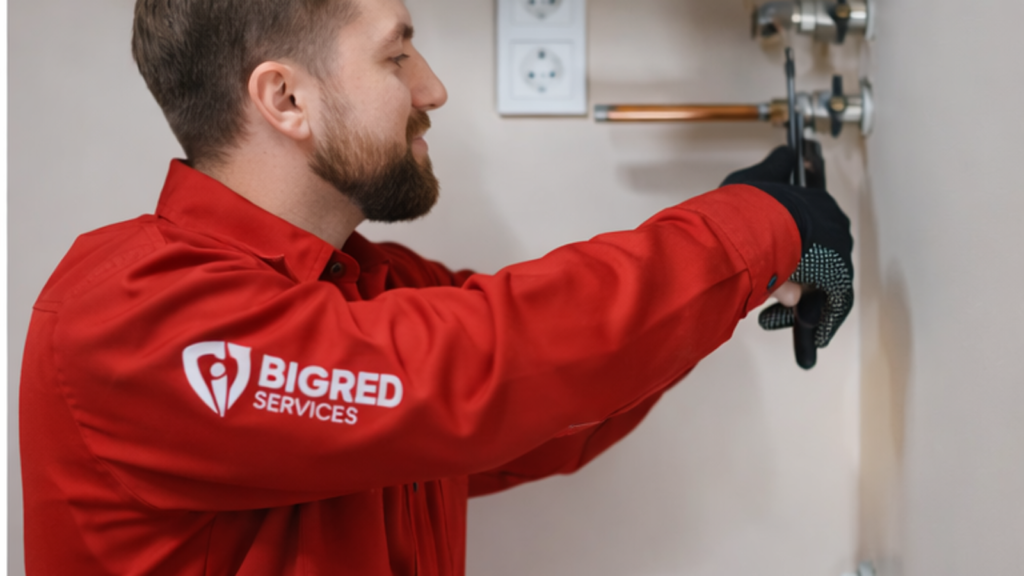
What Spring Maintenance Can You Do Right Now?
You can flush the tank, test the pressure relief valve, and lower the thermostat to 120°F — all in under an hour.
Flushing the tank removes sediment that cuts efficiency. Attach a hose to the drain valve and release 2 to 3 gallons. It’s one of the easiest ways to extend the life of your unit.
Testing the TPR valve takes just a few seconds. Lift the lever briefly — water should release and stop cleanly when you let go. If it sticks or leaks after, replace it.
Setting the thermostat to 120°F saves energy without sacrificing performance. It also stays above the temperature threshold needed to prevent bacterial growth inside the tank.
Should You Hire a Professional for a Water Heater Inspection?
If your unit is 7 or more years old, a professional inspection is worth it. A licensed plumber can check the anode rod, inspect for hidden corrosion, and give you an honest read on how much life is left.
DIY checks cover the basics, but a professional can catch what you can’t see. And if replacement is coming, you’ll want that information before demand picks up in summer.
Also Read: Why Choosing Certified Heating Technicians Matters
Conclusion
Scheduling in spring means shorter wait times and more flexibility in choosing the right unit.
Summer brings a rush of service calls — vacation prep, guests, heat-related demand spikes. Plumbers get booked out, and options narrow. Spring gives you the breathing room to make a thoughtful decision rather than a reactive one.
Your water heater works quietly in the background every day. A little attention now keeps it doing exactly that, without interruption.
If your current system isn’t performing as it should, you don’t have to figure it out alone. Our team is here to help with reliable, hassle-free water heater repair services, so you can get back to consistent comfort without the stress. Schedule a service today.