
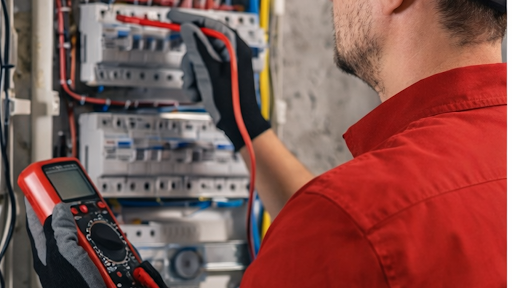
Spring is a good time to check your home’s electrical system. After a cold winter, outlets, cords, and panels can show wear that needs attention before the busy season starts.
Delaware’s humid springs and frequent nor’easters put extra stress on outdoor wiring, GFCI outlets, and service lines. A quick walkthrough now can prevent bigger problems later.
What Is a Spring Electrical Safety Checklist?
A spring electrical safety checklist is a room-by-room review of your home’s outlets, cords, panel, and safety devices. It helps you spot small issues before they become serious ones.
This isn’t about doing electrical work yourself. It’s about knowing what to look for, what’s normal, and when to call a licensed electrician.
Why Do Delaware Homeowners Need One Every Spring?
Delaware’s weather is tough on electrical systems. Freezing temps, moisture, and storm activity can damage outdoor wiring, corrode fixtures, and stress your panel over winter.
Homes in Wilmington, Dover, and the surrounding areas — especially those built between the 1950s and 1980s — often have older wiring that benefits from a seasonal check. Running through a home electrical safety checklist each spring is one of the simplest electrical safety tips for homeowners to follow.
How Do You Check Outdoor Outlets and Wiring?
Start outside on a dry day. Test every exterior outlet using a GFCI tester. Press the test button — the power should cut. Press reset — it should restore. If the outlet sticks or doesn’t respond, replace it.
Look at porch lights, flood lights, and landscape fixtures for rust, moisture inside the lens, or flickering. These are early signs of electrical problems in a house that most people overlook.
Check that all outdoor wiring — for pumps, pond features, or garden lights — is rated for outdoor use and isn’t pinched, exposed, or buried without conduit.
What Should You Look for With Extension Cords and Lawn Tools?
Inspect every cord you plan to use this spring. Look for cuts, frayed insulation, and loose plugs. If a cord has visible damage, replace it.
Use heavy-duty, outdoor-rated extension cords (12 to 14 gauge) for lawn mowers, trimmers, and pressure washers. Never daisy-chain cords or run them through standing water.
Route cords away from walkways to prevent tripping, and store them indoors when you’re done. This is one of the most practical electrical safety tips for homeowners with active yards.
How Do You Handle Utility Lines and Storm Safety?
Stay at least 10 feet back from your service drop and meter when doing any yard work. If tree branches are close to utility lines, call Delmarva Power or Delaware Electric Cooperative — don’t try to trim them yourself.
Keep your meter area clear of vines, nests, and debris. Make sure the seal on your meter is intact.
After any spring storm, treat downed lines as live. Stay back, take a photo from a safe distance if needed, and call 911 or your utility hotline right away.
What Does a Good Indoor Electrical Walkthrough Cover?
Walk through each room and test a sample of outlets using a plug-in tester. A green light means the outlet is wired correctly. If an outlet feels warm to the touch or a plug sits loose in the socket, stop using it and note it for an electrician.
Check switches by flipping them a few times. Chattering, sparking, or warmth around a dimmer switch are signs of electrical problems in a house that need professional attention.
Large appliances like refrigerators and dryers should each have a dedicated circuit. Running a microwave and fridge on the same outlet can cause trips — and repeated trips mean the circuit is overloaded.
In the basement and garage, make sure your sump pump and dehumidifier are on GFCI-protected outlets. Test the sump float switch before heavy rains hit.
Also Read: Why Is My AC Blowing Warm Air? Common Summer AC Problems in Delaware Homes
How Do You Check Your Electrical Panel?
Look at the outside of your panel first. Rust, a burning plastic smell, or buzzing sounds are red flags. If you notice any of these, shut off the main breaker and call a licensed electrician.
Don’t open the panel or touch internal wiring unless you’re qualified. What you can do: Label every breaker clearly by room and appliance, and make sure the panel is easy to access in an emergency.
If your home has a Federal Pacific panel from the 1960s, that’s a known fire risk. A full panel replacement is worth getting a quote on.
What Safety Devices Should You Test This Spring?
Test every smoke and carbon monoxide detector using the test button. A five-second alarm means it’s working. Replace batteries in any unit that chirps. Replace the entire device if it’s more than 10 years old.
Under Delaware’s current electrical code (based on NEC 2023), all wet-area outlets — kitchens, bathrooms, laundry rooms, garages, basements, and outdoor circuits — must have GFCI protection. If yours don’t, that’s an upgrade worth scheduling.
Consider adding whole-home surge protection at the panel, especially heading into spring thunderstorm season. It protects your HVAC, appliances, and electronics from voltage spikes.
Also Read: A Common Cause of Poor Airflow and Why it Matters
When Should You Call an Electrician?
Knowing when to call an electrician is just as important as the inspection itself. Call a licensed pro if you notice two or more breakers tripping in a single day, lights dimming when the AC kicks on, a burning or fishy smell near outlets, or any outlet with scorch marks or sparking.
If your home is 40 or more years old and has never had a formal electrical inspection, we recommend scheduling one now. Older wiring types like knob-and-tube or aluminum branch circuits need evaluation by someone qualified.
A standard electrical inspection in Delaware runs $150 to $250. A GFCI replacement is around $125 per outlet. These are manageable costs compared to what a wiring issue can become if it goes unnoticed.
How Do You Make This Checklist Work for You?
Break the Spring Electrical Safety Checklist into three weekends. Spend the first on outdoor checks and cord inspections. Use the second for your interior walkthrough and panel review. On the third, test your safety devices and follow up on anything you flagged.
Take photos of any issues you find, note the date, and share the list with your household. If you need a licensed electrician, check verifydelaware.gov to confirm credentials before hiring.
A home electrical safety checklist doesn’t need to take a whole day. A couple of hours done right can give you a clear picture of where things stand — and what, if anything, needs professional attention.
Conclusion
Spring is the perfect time to give your home’s electrical system a thorough check. From inspecting outlets and testing GFCIs to checking outdoor wiring and ensuring your panel is up to date, a proactive approach can prevent hazards before they become serious issues. Small fixes now can save you from costly repairs — or dangerous situations — later in the year.
If you notice anything unusual or prefer a professional to handle it, you don’t have to take risks. Our team offers reliable, prompt electrical repair services to keep your home safe and running smoothly. Schedule a service today and enjoy peace of mind knowing your electrical system is in expert hands.