
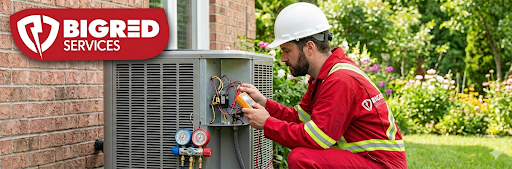
Spring in Delaware is a beautiful thing — blooming dogwoods, warmer afternoons, and that first day you finally don’t need a coat. But before you enjoy all of that, there’s one important task on your to-do list: getting your HVAC system ready for the seasonal shift.
If you’ve been running the heat all winter, your system needs a little love before it switches into cooling mode. With the right spring HVAC checklist, the process is straightforward, affordable, and totally worth it.
Let’s walk through everything you need to know to prep your AC for spring — the Delaware way.
Why Spring HVAC Maintenance Matters More in Delaware
Delaware’s climate is uniquely demanding on HVAC systems. Between the coastal salt air in places like Rehoboth and Lewes, the heavy spring pollen from oak and dogwood trees, and the high humidity that sets in by late April, your system is working harder than it might in other parts of the country.
Skipping your annual HVAC inspection can mean clogged coils, sluggish airflow, and an unexpected breakdown right when summer heat peaks. Getting ahead of it now — ideally in February or early March — saves you money, keeps your home comfortable, and helps you avoid the long wait times that come when every neighbor is suddenly calling for an AC tune-up in Delaware at the same time.
The payoff is real: a well-maintained system can cut your energy bills by a good amount and add five or more years to your equipment’s life.
Start With What You Can Do Yourself
You don’t need to be an HVAC expert to handle the first round of spring HVAC maintenance. A few simple tasks go a long way.
Start with your air filters. After a full winter of use, filters fill up with dust, dander, and debris. A clogged filter forces your blower to work overtime, driving up energy bills and reducing airflow. Pull out every filter in your home — furnace filters, return air filters, any inline units — and hold them up to the light. If you can’t see through them clearly, it’s time for a swap. For Delaware homeowners dealing with high pollen counts, a MERV 11 to 13 rated filter is a smart upgrade.
Head outside and clear around your outdoor unit. Leaves, twigs, and pollen pile up around the condenser over winter. Clear the area and use a garden hose on a gentle setting to rinse the fins from the top down — no high-pressure spraying, as that can bend the fins and reduce efficiency. Make sure you have at least two feet of clearance on all sides of the unit. If you live near the coast, a light rinse with a diluted vinegar solution helps neutralize salt buildup before it causes rust.
Clean your vents and registers. Grab a vacuum with a brush attachment and go through every supply vent and return grille in your home. It’s a quick job that makes a noticeable difference in airflow and air quality. While you’re at it, peek into any accessible ductwork with a flashlight — look for tears, gaps, or signs of moisture. A little foil tape on a visible leak can save you a surprising amount of energy.
Test your thermostat. Switch your system over to cooling mode and set it a few degrees below room temperature. Does the system kick on? Does cool air come through within a few minutes? If it feels sluggish or nothing happens, check the batteries first, then check your breaker. Smart thermostat users should also take a moment to update firmware and make sure scheduling is set for spring patterns.
Also Read: Is Your Heating System Overworking? Warning Signs Homeowners Ignore
Schedule a Professional HVAC Inspection
DIY tasks get you a long way, but a full HVAC inspection from a certified technician is where the real value lives. Think of it like a wellness checkup for your system — a trained eye catches things you simply can’t see from the outside.
When you search for an HVAC inspection near me, look for NATE-certified technicians or Delaware DOPL-licensed contractors. Book early — March and April fill up fast.
A quality HVAC service visit in Delaware should include a check of refrigerant levels (low refrigerant is one of the most common causes of poor cooling), a thorough cleaning of the evaporator and condenser coils, and a flush of the condensate drain line. That drain line is especially important in Delaware’s humid climate — algae loves to grow in it, and a blocked drain can cause water damage or trigger a system shutoff.
Your tech should also test the blower motor, inspect electrical connections, check capacitors, and lubricate any moving parts. For the many Delaware homeowners with heat pumps, the technician will verify the reversing valve is switching modes correctly and that the defrost cycle is functioning as it should — a key part of any spring HVAC checklist for heat pump systems.
A professional air conditioning service visit typically runs $125 to $300, which is a small price compared to the $2,000 or more that emergency repairs can cost in peak summer.
Delaware-Specific Tips From Cooling Specialists
If you live in a coastal community, make a habit of rinsing your outdoor unit every few weeks during spring and summer. Salt air accelerates corrosion on coils and wiring — something cooling specialists in Sussex County see regularly. Protective coil coatings, applied during an annual service visit, can significantly slow that damage down.
Inland homeowners in Wilmington or Newark should prioritize air quality. Urban pollen combined with traffic pollutants means your filters work harder and need more frequent replacement. If you’re dealing with issues after a winter of low use, don’t wait — address them before the heat arrives.
It’s also worth checking for available incentives. Energize Delaware offers rebates of up to $750 for qualifying HVAC maintenance and upgrades, and Delmarva Power has additional savings programs. If you’re thinking about a heat pump upgrade to a high-efficiency model, the federal Inflation Reduction Act currently offers a 30% tax credit — a great reason to ask your technician about your options this spring.
How to Prep Your AC for Spring: A Quick Timeline
The best time to act is right now. Target these milestones:
In the first week, take care of all the DIY tasks — filters, outdoor unit, vents, thermostat, and any visible duct sealing. In weeks two and three, get your professional tune-up scheduled and completed. From March through June, check your filters monthly, especially during peak pollen season when they clog faster than usual.
Following these HVAC spring cleaning tips from start to finish puts you in a great position heading into summer. You’ll stay cooler, spend less on energy, and have real peace of mind knowing your system isn’t going to leave you sweating in July.
Also Read: Exploring Winter Plumbing Issues and HVAC Problems in Delaware
Ready to Get Started?
Taking care of your system now is one of the smartest things you can do as a Delaware homeowner. Whether you’re tackling the DIY side of your spring HVAC maintenance or looking for a trusted local team to handle the full HVAC service, the effort you put in this season pays off all year long. Your home will be more comfortable, your bills will be lower, and your system will thank you for it.