
Winter is coming, and with it comes the challenge of staying cozy without breaking the bank on heating bills. The good news? You don’t have to choose between comfort and affordability. With the right strategies, you can create a warm, inviting home while keeping your energy costs under control.
Let’s explore practical winter energy efficiency tips that will transform your home into a cozy haven all season long.
What Makes A Home Energy-Efficient During Winter
Essentially, it comes down to two main principles: keeping the heat you generate inside your home and making sure your heating system works as efficiently as possible.
Think of your home like a thermos. Just as a quality thermos keeps your coffee hot by preventing heat from escaping, your home needs proper insulation and sealed gaps to retain warmth. When you combine this with an efficient heating system, you’ve got a winning formula for winter comfort.
Start With The Foundation
Your home’s insulation acts as a thermal blanket, creating resistance to heat flow. Without adequate insulation, you’re essentially heating the outdoors while your indoor spaces stay chilly.
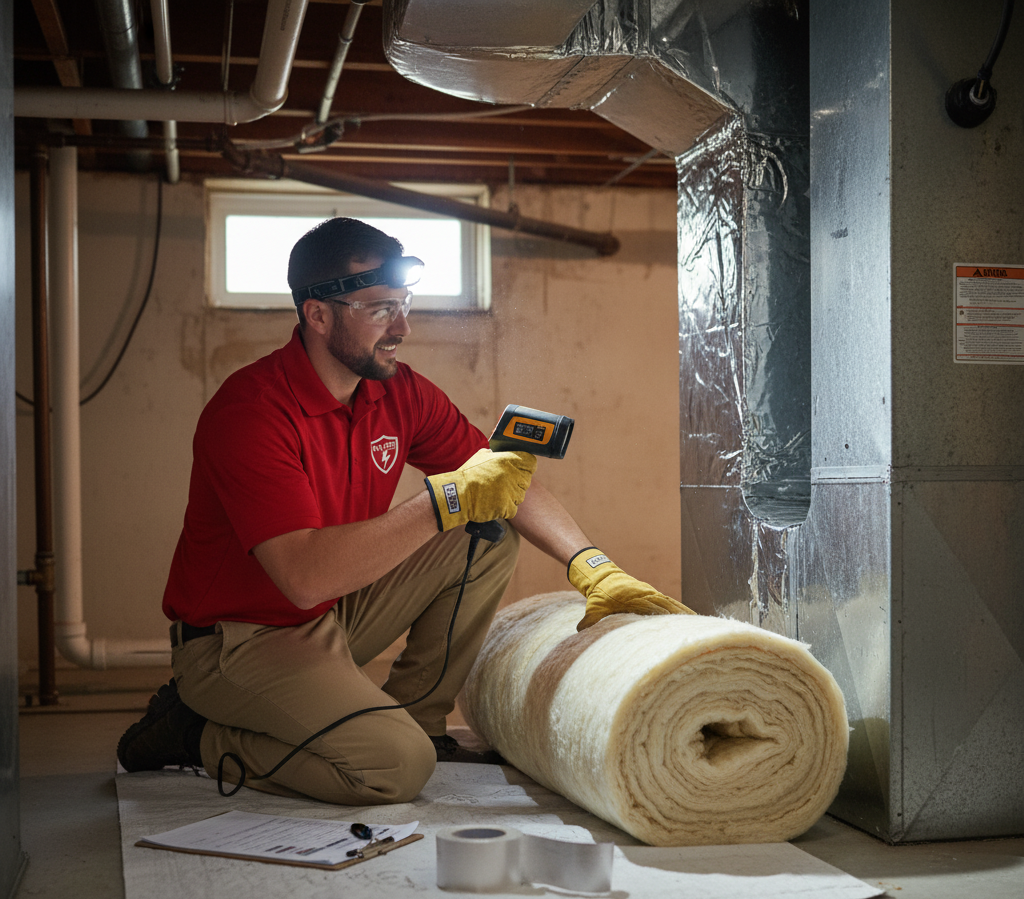
The attic deserves your attention first. Up to 25 percent of your home’s heat can escape through a poorly insulated roof. Consider using rigid foam boards, fiberglass batts, or polystyrene sheets to create a thermal barrier above your living spaces.
Wall insulation comes next in importance. Exterior walls particularly need protection from cold air infiltration. Foam boards, mineral wool, or spray foam work exceptionally well. When installed on the exterior wall frame, these materials prevent thermal bridging, which occurs when heat escapes through the structural elements of your walls.
Don’t forget your floors, especially if you have hardwood or tile. Underfloor insulation using foam boards keeps cold from creeping up through the foundation. Even something as simple as laying down area rugs provides an extra layer of warmth beneath your feet.
For those interested in sustainable options, sheep’s wool or hemp insulation offers excellent thermal performance plus moisture control benefits. These natural materials also improve indoor air quality while keeping your home snug.
Seal Every Gap
Here’s a surprising fact: all those tiny gaps around your doors, windows, and pipe penetrations add up to the equivalent of leaving a window wide open. That’s money flying out the door, literally.
Weatherstripping and caulk become your best friends during winterization. Walk around your home and check every door and window frame. Feel for drafts and apply weatherstripping where needed. Use caulk for stationary cracks and foam sealant for larger gaps.
Pay special attention to areas where pipes enter your home, around electrical outlets on exterior walls, and near your attic entrance. These often-overlooked spots are prime culprits for heat loss.
A simple draft excluder, sometimes called a door snake, placed at the bottom of exterior doors blocks cold air from sneaking underneath. You can make one yourself or pick up an inexpensive version at any hardware store.
Also Read: How to Extend the Life of Your Furnace with Seasonal Maintenance
Natural Heat And Insulation Combined
Windows present both an opportunity and a challenge for winter home heating. During daylight hours, they can be your free heat source. After sunset, they become one of the biggest sources of heat loss.
Develop a daily window routine: open your blinds and curtains when the sun shines on them, allowing natural warmth to flood your rooms. As soon as darkness falls, close them to trap that heat inside.
For enhanced home heating efficiency, try installing thermal-insulated curtains if your budget allows. These specially designed window treatments can trap up to 40 percent more heat compared to regular curtains. They’re particularly valuable in older homes with single-pane windows.
If replacing windows isn’t in your budget right now, double or triple-pane glass makes an excellent long-term investment. Low-emissivity glass coatings further enhance their insulating properties.
For immediate, budget-friendly improvements, plastic film kits create an additional air barrier over existing windows.
Optimize Your Heating System For Maximum Efficiency
Even the best insulation won’t help much if your heating system runs inefficiently. Here are a few energy-efficient heating tips:
- Create a heating maintenance checklist that includes annual professional servicing of your furnace or boiler. A technician will clean components, check for wear, and ensure everything operates at peak performance. This simple step prevents breakdowns and keeps your system running efficiently.
- Your thermostat settings make a bigger difference than you might think. Setting your temperature to around 68 to 70 degrees Fahrenheit while you’re home provides comfort without excess energy use. Lower it further when you’re sleeping or away from home.
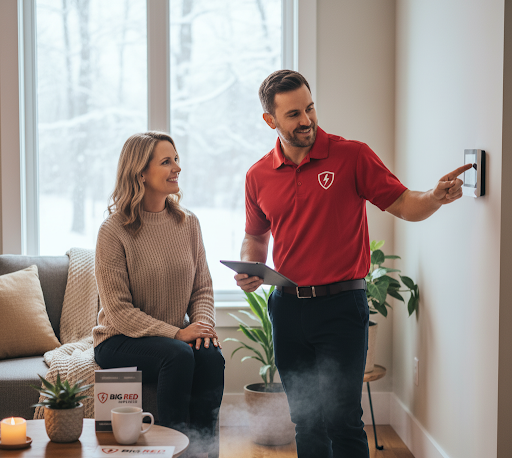
- Programmable thermostats automate this process, adjusting temperatures based on your schedule. Modern smart thermostats learn your patterns and can be controlled remotely from your phone, making home heating system maintenance nearly effortless.
- If you have radiators, place heat-reflective foil behind them, especially those mounted on exterior walls. This simple trick directs more warmth into your room rather than letting it escape through the wall.
Smart Heating Habits That Save Energy
Beyond structural improvements, your daily habits play a significant role in energy-saving heating solutions. Small changes in how you use your home can add up to substantial savings.
Reverse your ceiling fans to run clockwise at low speed during winter. This pushes warm air that naturally rises back down, where you can feel it. Most people don’t realize their ceiling fans have a winter mode, but this feature significantly improves comfort.
Keep doors between rooms closed to contain heat in the spaces you’re actually using. There’s no point heating empty bedrooms or guest rooms all day. Focus your energy where you spend your time.
Move furniture away from exterior walls and windows. Sofas and chairs placed against cold walls absorb that chill, making you feel colder even when the room temperature is adequate. Rearranging your furniture creates warmer gathering spots.
If you have a fireplace, remember that an open damper acts like a chimney even when there’s no fire burning. Close it completely when not in use, or consider installing a chimney balloon to block drafts more effectively.
A Few More Tips To Reduce Heating Bills
Ready to take your winter energy efficiency to the next level? Some cutting-edge solutions offer exceptional performance.
Spray foam insulation provides an airtight seal in cavities and irregular spaces. It fills every gap, eliminates drafts, and even adds structural strength to your home. While more expensive upfront, it delivers superior results for attics, crawl spaces, and wall cavities.
Aerogel insulation represents the forefront of insulation technology. Despite being lightweight and thin, it offers exceptional thermal resistance, making it ideal for homes where space is limited.
External thermal insulation systems wrap your home’s exterior in insulated panels, creating a continuous thermal envelope. This approach works particularly well for existing homes in harsh winter climates.
For those building new or undertaking major renovations, consider thermal mass walls and floors. Materials like concrete or stone absorb heat during sunny days and release it gradually overnight, smoothing out temperature fluctuations naturally.
Also Read: Top Signs Your Water Heater Needs Repair
Conclusion
Keeping your home warm and energy-efficient all winter long doesn’t require a complete overhaul or enormous investment. Start with simple, inexpensive improvements like sealing drafts and adjusting your thermostat. Layer in window treatments and heating system maintenance. As your budget allows, upgrade to better insulation and more efficient appliances.
If you ever need help with heating maintenance, repair, or installation, we’re here to keep your home comfortable and running smoothly. Contact us today.