
The Benefits of Heat Pumps in Maryland’s Coastal Climate
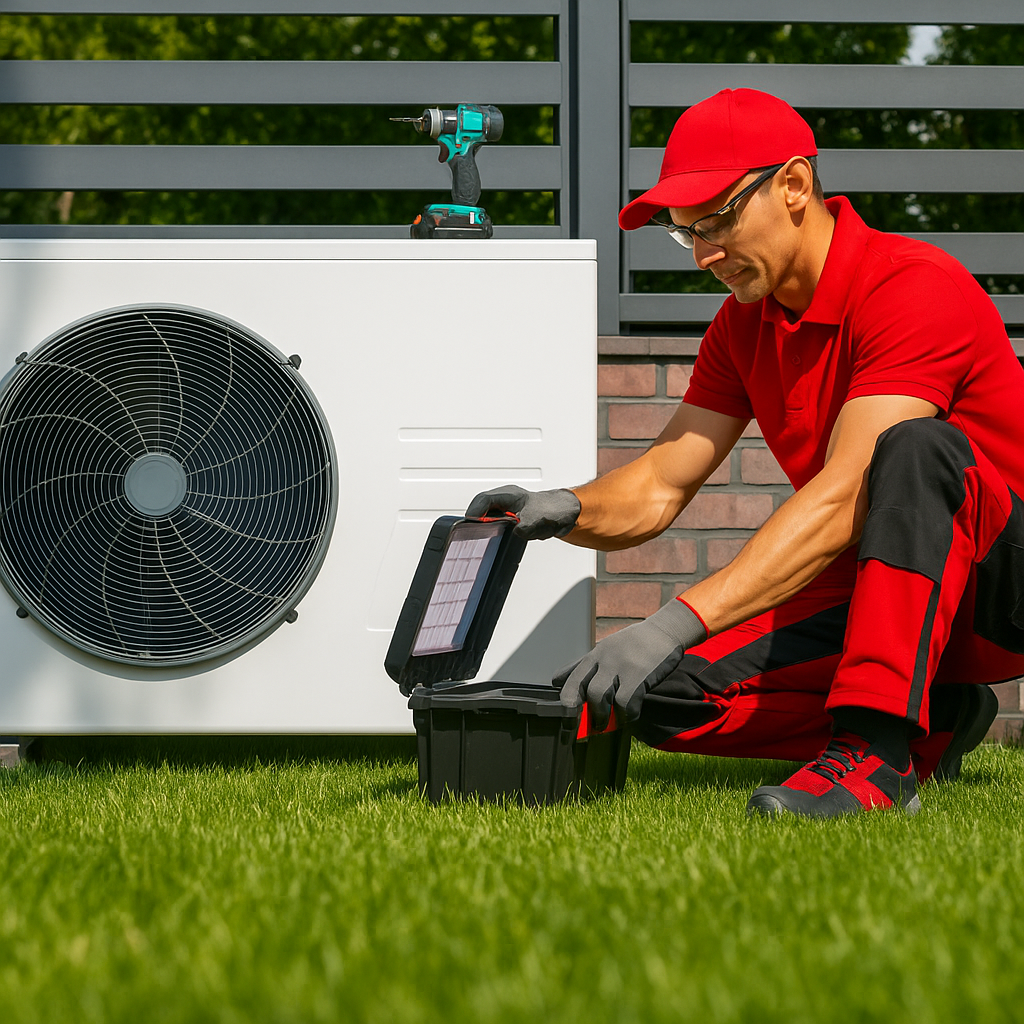
Heat pumps are worth considering if you’re considering your alternatives for heating and cooling your Eastern Shore house in Maryland. Our coastal climate is a major factor in their rise to prominence as one of the most well-liked HVAC options in the area.
In regions with hot, muggy summers and generally mild winters, heat pumps function best. The Eastern Shore is nearly properly described by that. Your cooling in July and your heating in January are handled by a single system, which frequently has lower running costs than separate equipment.
Here are some reasons why heat pumps in Maryland are so sensible, along with some things to think about before switching.
One System for Heating and Cooling
A heat pump doesn’t create heat the way a furnace does; it moves heat. In summer, it pulls heat out of your home and releases it outside, just like a central air conditioner. In winter, it reverses and pulls heat from the outdoor air into your home.
That reversibility is the core benefit: one system replaces both your air conditioner and your heating equipment. That means one installation, one set of maintenance visits, and one piece of equipment to eventually replace instead of two. For homeowners simplifying their budget and their to-do list, that’s a real advantage.
Built for the Eastern Shore’s Mild Coastal Winters
The old knock on heat pumps was that they struggled in cold weather. Two things make that concern mostly outdated here.
First, the Chesapeake moderates our winters. Coastal Maryland rarely sees the extended deep-freeze stretches that challenge heat pumps in northern states. For most of the heating season, a heat pump operates comfortably in its most efficient range.
Second, the technology has improved dramatically. Modern cold-climate heat pumps heat effectively at temperatures well below freezing. For the rare bitter cold snap, systems include backup heating that kicks in automatically — you stay warm either way.
The result: a system matched to our actual weather, rather than equipment sized for winters we don’t have.
Lower Energy Costs Year-Round
Because a heat pump moves heat instead of generating it, it can deliver more heating energy than the electricity it consumes. That efficiency shows up on your utility bills.
Compared to older electric resistance heating baseboards or electric furnaces, which are common in many Shore homes, a heat pump can cut heating energy use significantly. And in summer, today’s high-efficiency heat pumps cool just as effectively as a modern central air conditioner.
Many homes on the Eastern Shore also lack natural gas service, leaving propane, oil, or electric resistance as the heating options. For those homes, a heat pump is often the most economical path to comfortable, whole-home heating. Our team can look at your current setup and give you an honest comparison. Our heat pump services cover everything from sizing to installation to repair across Maryland and Delaware.
Better Humidity Control in a Humid Climate
Anyone who’s spent an August on the Shore knows the humidity is half the battle. Sticky indoor air feels warmer than it is, encourages mold and mildew, and makes your home uncomfortable even when the temperature reads fine.
Heat pumps dehumidify as they cool, and modern variable-speed models are especially good at it. Instead of blasting on and off, they run longer at lower speeds, which pulls more moisture out of the air and keeps temperatures steadier. Your home feels genuinely comfortable, not just technically cool.
Flexible Options, Even Without Ductwork
Heat pumps come in two main forms, so there’s a fit for nearly any home:
- Ducted heat pumps connect to your existing ductwork and work like a traditional central system, often a straightforward swap when an old AC or furnace is due for replacement.
- Ductless mini-split heat pumps need no ductwork at all. An outdoor unit connects to slim indoor units in the rooms you choose, each with its own temperature control.
For older farmhouses, cottages, and homes with additions common across the Shore, ductless mini-splits deliver heat pump efficiency without the cost of installing ducts.
Also Read: Ductless Mini-Split Systems: The Smart Cooling Solution for Delaware’s Older Homes. How zoned, duct-free comfort works in older homes.
What Coastal Homeowners Should Know
Salt air is tough on outdoor equipment. If your home sits close to the bay or ocean, it’s worth choosing a unit with corrosion-resistant coatings and keeping up with regular maintenance, such as rinsing the outdoor coil and scheduling annual professional service, which go a long way toward a full equipment lifespan. Our heating maintenance plans keep coastal systems clean, efficient, and protected season after season.
Proper sizing matters too. An oversized heat pump short-cycles and controls humidity poorly; an undersized one runs constantly. A professional load calculation, not a guess based on square footage, ensures your system fits your home.
When to Call Big Red Services
If your air conditioner or heating system is more than 10–15 years old, needs frequent repairs, or your energy bills keep climbing, it’s worth exploring whether a heat pump is the right replacement. Our certified technicians provide heating installation and heat pump service throughout Maryland’s Eastern Shore and Delaware. We’ll assess your home, explain your options in plain language, and give you an upfront quote — no pressure, no surprises.
Have any Questions?
Call us Today!
(302) 985-5858
FREQUENTLY
ASKED QUESTIONS
Do heat pumps work in Maryland winters?
Yes. Maryland’s coastal winters are mild enough for heat pumps to run efficiently most of the season, and modern cold-climate models heat effectively well below freezing. Backup heat covers the rare deep-cold snap.
How long does a heat pump last near the coast?
With proper maintenance, most heat pumps last 10–15 years. Salt air can shorten that near the water, so corrosion-resistant equipment and regular professional maintenance are especially important for coastal homes.
Is a heat pump cheaper to run than a furnace?
It depends on your fuel. Heat pumps usually cost less to run than electric resistance, propane, or oil heating, the most common options on the Eastern Shore. A technician can compare operating costs for your specific home.